Pizza
The history of pizza dates back to Napoles, Italy, where the modern version of this dish emerged in the 18th century, a bread-based solution with simple ingredients for the humble population. Although there are records of seasoned flatbreads dating back to ancient Rome, the addition of tomato sauce and mozzarella cheese in the 18th and early 19th centuries gave it its current character. The legend of the Margherita pizza, featuring the colors of the Italian flag, cemented its popularity, although the dish already existed.

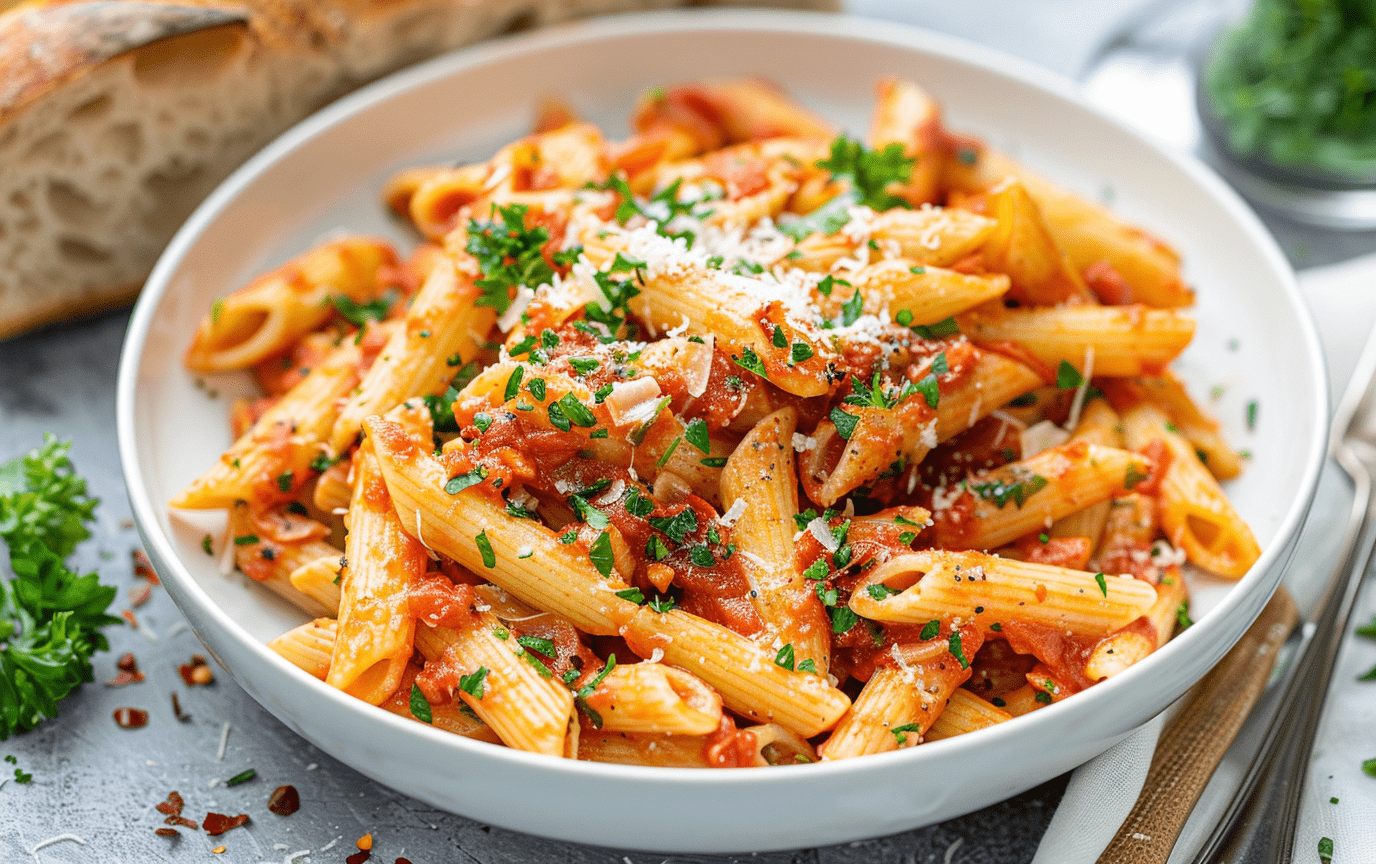
Pasta
Pasta in Italy has deep roots, predating the 13th-century myth of Marco Polo; early forms like Etruscan lagana and Arab itriyya were documented, becoming a stable food item through the Medieval period, thriving in Sicily and Naples due to durum wheat and climate. Over centuries, pasta spread through Italy, evolving with Renaissance influence and mass production by the 19th century, solidifying its place as a cultural staple and a global culinary phenomenon.
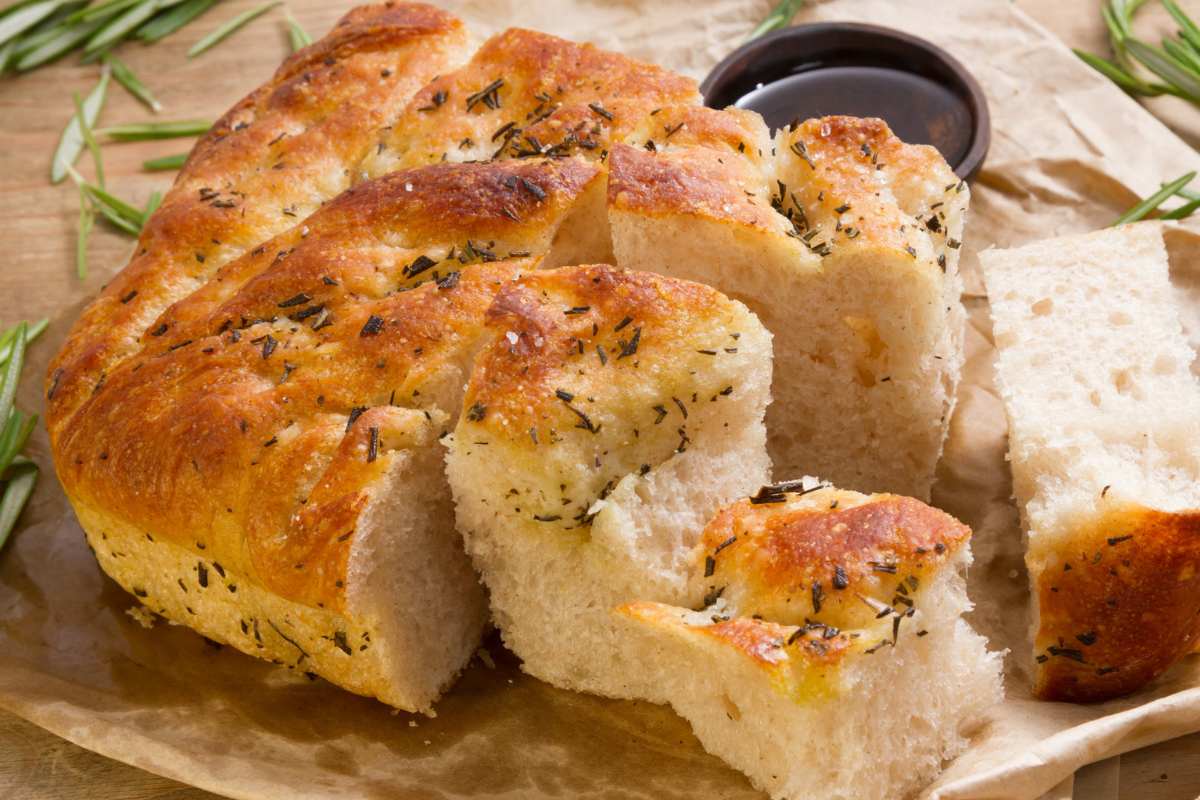
Focaccia
Focaccia's history dates back to the ancient Greeks or Etruscans, evolving from the Roman "panis focacius" ("hearth bread") baked on a hot hearth. The basic recipe of flour, water, olive oil, salt, and yeast has remained largely the same, though it was originally a simpler, rustic flatbread. While the word "focaccia" appeared in the 14th century, the tradition of flatbread baking has a much longer history, and different Italian regions developed their own variations, with Liguria being particularly famous for its olive oil-rich version.